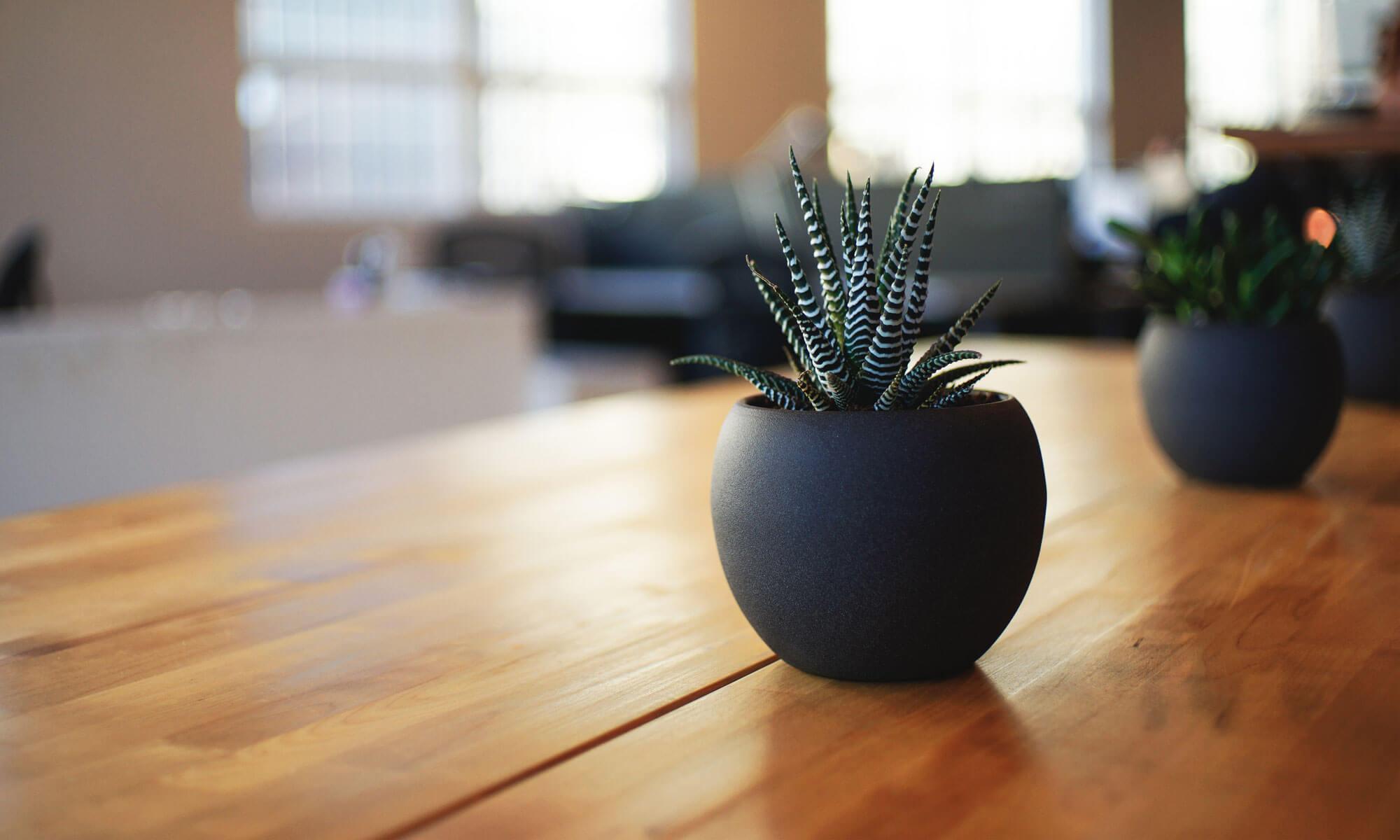
- Artisan crafts and vibrant textiles from https://incaspinca.ca elevate your living space naturally
- The Allure of Andean Textiles
- The Art of Backstrap Weaving
- Elevating Your Space with Artisan Crafts
- Choosing the Right Pieces
- The Sustainable and Ethical Impact
- Supporting Artisan Communities
- Beyond Decoration: A Reflection of Values
- The Future of Artisan-Made Living
Artisan crafts and vibrant textiles from https://incaspinca.ca elevate your living space naturally
In a world saturated with mass-produced items, the desire for authenticity and handcrafted beauty is stronger than ever. People are increasingly seeking pieces that tell a story, that reflect a connection to culture and artistry, and that bring a sense of warmth and individuality into their homes. This is where the exquisite offerings of https://incaspinca.ca come into play, providing a curated collection of artisan crafts and vibrant textiles that elevate living spaces with natural elegance. These aren’t simply decorative items; they represent a legacy of skill, tradition, and a deep respect for the artisans who create them.
The appeal of ethically sourced, handcrafted goods extends beyond mere aesthetics. Consumers are becoming more conscious of the impact their purchases have on communities and the environment. By choosing products from https://incaspinca.ca, individuals are supporting sustainable practices, empowering talented artisans, and contributing to the preservation of cultural heritage. The result is a home that feels not only beautiful but also meaningful, a space imbued with character and positive energy. The items offered are a statement – a statement of conscious consumerism and an appreciation for the time-honored techniques passed down through generations.
The Allure of Andean Textiles
Andean textiles are renowned globally for their intricate designs, vibrant colors, and the sheer skill required to produce them. These textiles aren't merely coverings; they are canvases that depict the history, mythology, and worldview of the Andean people. Traditional weaving techniques, often passed down through matriarchal lines, involve complex patterns and the use of natural dyes derived from plants, insects, and minerals. The process is painstaking, requiring immense patience and a deep understanding of the symbolism embedded within each motif. Each piece holds within its fibers a story, a connection to the land, and a tribute to the ancestors. The beauty isn't accidental; it’s the intentional result of generations of artistic practice.
The significance of color in Andean textiles is profound. Colors aren’t chosen arbitrarily but are imbued with specific meanings relating to nature, cosmology, and social status. For example, red often represents the life force, energy, and the sun, while blue symbolizes water, the sky, and spirituality. The interplay of these colors creates visually stunning compositions that are both aesthetically pleasing and culturally rich. Understanding these symbolic nuances adds another layer of appreciation when incorporating these textiles into a living space. It is a respect for the culture, translated into the decor of one’s home.
The Art of Backstrap Weaving
One of the most iconic techniques used in Andean textile production is backstrap weaving. This ancient method involves securing the warp threads to a backstrap, which the weaver wears around her waist, and using a simple loom to interlace the weft threads. This technique allows for incredible control over the design and tension of the fabric, resulting in exceptionally fine and durable textiles. The weaver’s body becomes an integral part of the loom, transforming the process into a deeply personal and almost meditative practice. It’s a testament to human ingenuity and a connection to a long and unbroken tradition.
Backstrap weaving isn't just about the technique itself; it’s about the community and the shared knowledge that surrounds it. Weavers often work collaboratively, sharing patterns, techniques, and resources. This creates a vibrant network of artistry and ensures that the tradition continues to thrive. The resulting textiles are more than just cloth; they are embodiments of collective creativity and cultural identity.
| Textile Type | Common Materials |
|---|---|
| Chullo | Sheep’s wool, alpaca wool |
| Poncho | Alpaca wool, vicuña wool |
| Aguayo | Sheep’s wool, cotton |
| Manta | Alpaca wool, llama wool |
The careful selection of materials is also critical. The use of alpaca and llama wool, renowned for their softness, warmth, and durability, contributes to the exceptional quality of Andean textiles. These fibers are naturally hypoallergenic and environmentally friendly, making them a sustainable and luxurious choice for home décor.
Elevating Your Space with Artisan Crafts
Beyond textiles, the artisan crafts available through https://incaspinca.ca offer a unique opportunity to bring a touch of handcrafted charm to any room. From intricately carved wooden bowls to hand-painted ceramics and sculpted stone figures, these pieces are imbued with the skill and artistry of their creators. Each object carries the mark of the human hand, a refreshing contrast to the uniformity of mass-produced goods. These aren’t just decorations; they are conversation starters, pieces that invite curiosity and appreciation.
When incorporating artisan crafts into your home, consider how they can complement your existing décor and reflect your personal style. A vibrant textile can add a pop of color to a neutral space, while a rustic wooden bowl can bring warmth and texture to a minimalist setting. The key is to choose pieces that resonate with you and that tell a story you want to share. It’s about creating a space that feels authentic, personal, and inviting.
Choosing the Right Pieces
Selecting artisan crafts isn't simply about picking something that looks good; it's about considering the craftsmanship, the materials used, and the story behind the piece. Look for pieces that demonstrate a high level of skill and attention to detail. Examine the quality of the materials and the construction. A well-crafted piece will not only look beautiful but will also stand the test of time. The enduring nature of these items is a significant benefit—an investment in beauty and craftsmanship.
Don't be afraid to ask questions about the origin and the artisan who created the piece. Knowing the story behind the craft can deepen your appreciation for it and connect you to the culture from which it originates. Supporting artisans directly helps to preserve traditional skills and empowers communities, making your purchase even more meaningful.
- Consider the scale and proportion of the piece in relation to the space.
- Think about the color palette and how it will complement your existing décor.
- Choose pieces that reflect your personal style and values.
- Don't be afraid to mix and match different textures and materials.
Ultimately, the goal is to create a space that feels harmonious, inviting, and reflective of your unique personality. Artisan crafts can help you achieve this by adding a touch of authenticity, warmth, and cultural richness to your home.
The Sustainable and Ethical Impact
The increasing demand for handcrafted goods is not merely a trend; it represents a shift towards more conscious and sustainable consumption. Supporting artisans through platforms like https://incaspinca.ca has a positive impact on both the environment and the communities involved. Unlike mass-produced items, artisan crafts are often made using sustainable materials and traditional techniques that minimize environmental harm. The limited production runs also reduce waste and the carbon footprint associated with large-scale manufacturing.
Ethical sourcing is equally important. By purchasing directly from artisans or through fair trade organizations, you are ensuring that they receive fair wages and working conditions. This empowers them to continue their craft and preserve their cultural heritage. It also provides economic opportunities in communities that may lack other options. Choosing handmade isn’t just about what you gain; it's about what you support.
Supporting Artisan Communities
The impact extends beyond individual artisans. When you support artisan communities, you are helping to preserve traditional skills that might otherwise be lost. You are also contributing to the economic stability of these communities and fostering a sense of pride in their cultural heritage. This creates a positive ripple effect, benefiting not only the artisans themselves but also their families and future generations. The continuity of these art forms depends on continued support.
Furthermore, the production of artisan crafts often supports environmentally friendly practices. Artisans often utilize locally sourced, sustainable materials and employ techniques that have been developed over centuries to minimize waste and environmental impact. This aligns with a growing global movement towards more responsible and sustainable living.
- Prioritize products made from natural and sustainable materials.
- Look for artisans who use environmentally friendly techniques.
- Support fair trade organizations that ensure fair wages and working conditions.
- Consider the longevity of the product and its potential for repair and reuse.
By making informed choices as consumers, we can all contribute to a more sustainable and ethical world, one handcrafted piece at a time.
Beyond Decoration: A Reflection of Values
The pieces we choose to fill our homes are more than just decorative items; they are reflections of our values, our beliefs, and our connection to the world around us. Choosing artisan crafts over mass-produced goods is a statement about what matters to you – a commitment to authenticity, sustainability, and cultural preservation. It’s a conscious decision to create a space that feels meaningful and personal, a sanctuary that nourishes your soul.
In a world that often feels disconnected and impersonal, these pieces offer a tangible link to human creativity, tradition, and the beauty of the natural world. They remind us of the importance of slowing down, appreciating the handmade, and supporting the artisans who pour their heart and soul into their work. The choice is about more than aesthetics; it's about intention and the lifestyle you cultivate.
The Future of Artisan-Made Living
The future of home décor is leaning heavily towards personalization, sustainability, and the celebration of craft. Consumers are becoming increasingly discerning, seeking out pieces that tell a story and reflect their individual values. This trend is driving a renewed interest in artisan crafts and a growing demand for ethically sourced, handcrafted goods. Platforms like https://incaspinca.ca are playing a crucial role in connecting artisans with a wider audience and fostering a more sustainable and equitable marketplace.
The integration of technology is also playing a role. Online platforms are making it easier than ever to discover and purchase artisan crafts from around the world. Virtual reality and augmented reality technologies could even allow consumers to “experience” the craftsmanship firsthand, fostering a deeper connection to the products and the artisans who create them. The evolution will be driven by accessibility, transparency, and the desire for authentic connection.