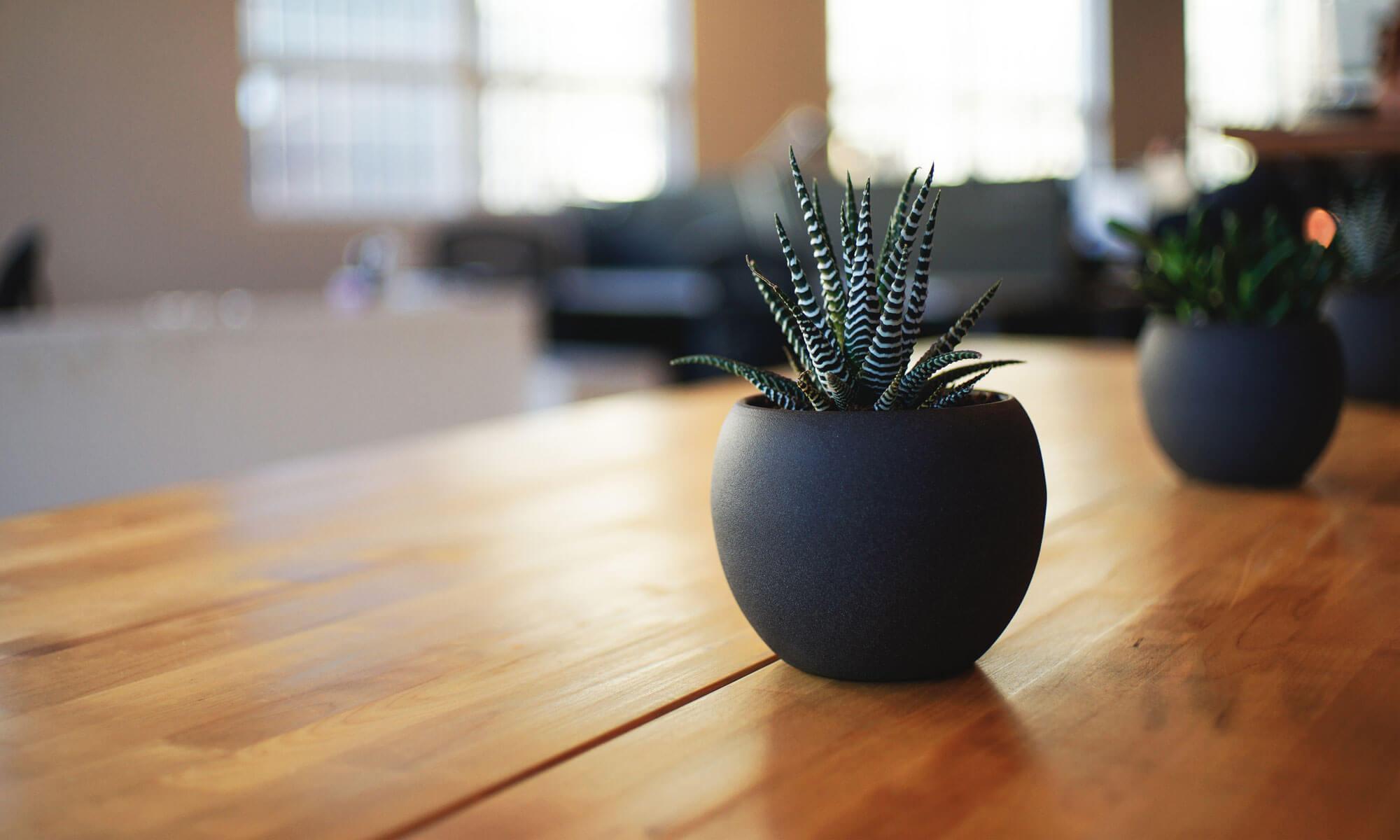
- Remarkable designs featuring pavilion88 elevate modern living spaces effortlessly
- Enhancing Outdoor Living with Architectural Pavilions
- The Importance of Material Selection
- Design Versatility: Adapting Pavilions to Your Needs
- Pavilion Styles: From Rustic to Contemporary
- Integrating Technology for Enhanced Comfort and Convenience
- Smart Home Connectivity and Automated Features
- The Role of Landscaping in Enhancing Pavilion Aesthetics
- Beyond Utility: The Art of Pavilion Design & Future Trends
Remarkable designs featuring pavilion88 elevate modern living spaces effortlessly
The pursuit of sophisticated and harmonious living spaces is a constant endeavor for homeowners and designers alike. Increasingly, individuals are seeking elements that blend aesthetic appeal with functional design, creating environments that are both visually stunning and incredibly livable. This is where the concept of expertly crafted structures, like those represented by pavilion88, comes into play. These structures aren't merely additions to a property; they’re carefully considered extensions of the existing architecture, designed to enhance and complement the indoor-outdoor connection.
Modern lifestyles demand flexibility and adaptability in living spaces. The traditional boundaries between inside and outside are blurring, and people are yearning for areas where they can relax, entertain, and connect with nature. A well-designed pavilion embodies this desire, offering a protected yet open environment that can be used year-round. From intimate retreats to grand entertainment venues, the potential applications are vast and varied, making it a valuable asset to any property seeking to elevate its appeal and functionality. These structures are becoming a central element of the modern home, focusing on seamless integration and stylish design.
Enhancing Outdoor Living with Architectural Pavilions
Architectural pavilions have moved beyond simple garden structures; they represent a sophisticated approach to outdoor living. They are now designed with a focus on integrating seamlessly with the existing landscape and architecture of a home, often featuring high-end materials and innovative construction techniques. This integration extends beyond aesthetics to encompass functionality. Modern pavilions frequently incorporate features like integrated lighting, audio systems, climate control, and even outdoor kitchens, transforming them into fully equipped extensions of the interior living space. The evolution of these structures reflects a broader trend toward blurring the lines between indoors and outdoors, creating a more cohesive and enjoyable living experience. Designers are now utilizing pavilions to define outdoor 'rooms', crafting spaces for specific purposes, whether it be dining, relaxation, or entertainment.
The Importance of Material Selection
The choice of materials plays a crucial role in the overall aesthetic and durability of an architectural pavilion. Weather resistance is a primary consideration, necessitating materials that can withstand exposure to the elements. Popular choices include sustainably sourced hardwoods like teak or Ipe, which are naturally resistant to rot and insects, as well as powder-coated aluminum and stainless steel for structural components. Roofing materials range from traditional shingles and tiles to more contemporary options like glass or polycarbonate, each offering unique visual and functional qualities. The chosen materials should not only complement the architectural style of the main residence but also harmonize with the surrounding landscape, creating a cohesive and visually appealing outdoor environment. The longevity of a pavilion often hinges on these initial material selections.
| Material | Pros | Cons | Typical Applications |
|---|---|---|---|
| Teak | Durable, weather-resistant, aesthetically pleasing | Expensive, requires occasional oiling | Framing, decking, furniture |
| Aluminum | Lightweight, corrosion-resistant, low maintenance | Can be prone to dents, less aesthetically warm | Structural framing, roofing supports |
| Stainless Steel | Extremely durable, corrosion-resistant, modern aesthetic | High cost, can get hot in direct sunlight | Connectors, hardware, architectural accents |
Beyond durability, material choices also impact the overall ambiance of the pavilion. Warmer materials like wood create a more inviting and natural feel, while cooler materials like metal and glass contribute to a more modern and minimalist aesthetic. Thoughtful material selection is key to creating a pavilion that is both beautiful and functional, enhancing the overall enjoyment of the outdoor space.
Design Versatility: Adapting Pavilions to Your Needs
One of the most compelling aspects of architectural pavilions is their versatility. They can be customized to suit a wide range of needs and preferences, from simple covered seating areas to elaborate outdoor kitchens and entertainment spaces. The design possibilities are virtually limitless, allowing homeowners to create truly unique and personalized additions to their properties. A key factor in achieving this versatility is the open-plan nature of most pavilion designs. The absence of fixed walls allows for flexible configurations, enabling the space to be adapted for different purposes as needed. This adaptability makes pavilions an excellent investment for homeowners who like to entertain or who simply want to maximize the functionality of their outdoor areas. This is further enhanced by the ability to integrate technology, making the pavilion a true extension of the smart home.
Pavilion Styles: From Rustic to Contemporary
The architectural style of a pavilion should complement the existing design of the home and the surrounding landscape. Rustic pavilions often feature natural materials like wood and stone, creating a warm and inviting atmosphere. Contemporary pavilions, on the other hand, typically employ sleek lines, minimalist designs, and modern materials like glass, steel, and concrete. Transitional styles blend elements of both rustic and contemporary design, offering a balanced and harmonious aesthetic. The roof style also plays a significant role in the overall look of the pavilion. Options include gable roofs, hip roofs, flat roofs, and more unique designs like curved or angled roofs. Careful consideration of these stylistic elements is crucial for creating a pavilion that seamlessly integrates with its surroundings.
- Rustic Pavilions: Emphasize natural materials and a warm, inviting atmosphere.
- Contemporary Pavilions: Showcase sleek lines, minimalist designs, and modern materials.
- Transitional Pavilions: Blend rustic and contemporary elements for a balanced aesthetic.
- Mediterranean Pavilions: Feature terracotta tiles, stucco walls, and arched doorways.
- Asian-Inspired Pavilions: Incorporate elements like bamboo, shoji screens, and Zen gardens.
Ultimately, the most successful pavilion designs are those that are thoughtfully tailored to the specific needs and preferences of the homeowner, as well as the unique characteristics of the property. A skilled architect or designer can help you navigate the many options available and create a pavilion that is both beautiful and functional.
Integrating Technology for Enhanced Comfort and Convenience
Modern architectural pavilions are increasingly incorporating technology to enhance comfort, convenience, and functionality. This includes features like integrated lighting systems that can be controlled remotely, audio systems for immersive sound experiences, and climate control systems that ensure year-round usability. Smart home integration is also becoming increasingly popular, allowing homeowners to control various aspects of the pavilion – such as lighting, temperature, and music – from their smartphones or tablets. Outdoor kitchens are another popular technological addition, often featuring built-in grills, refrigerators, and sinks. The integration of technology extends beyond mere convenience; it also enhances the overall safety and security of the pavilion.
Smart Home Connectivity and Automated Features
The potential for smart home connectivity in architectural pavilions is vast. Automated lighting systems can adjust brightness and color based on the time of day or the desired mood. Temperature control systems can be programmed to maintain a comfortable environment regardless of the weather. Security systems can include motion sensors, cameras, and alarms, providing peace of mind. Automated shades and blinds can be controlled remotely or programmed to respond to sunlight, reducing glare and energy consumption. The key to successful smart home integration is a well-planned and professionally installed system that is seamlessly integrated with the existing home automation infrastructure. This level of integration not only adds convenience but also increases the property’s value and appeal.
- Install a smart thermostat for automated temperature control.
- Integrate lighting with a smart home hub for remote operation.
- Add motion sensor lights for increased security.
- Consider a whole-house audio system for immersive sound.
- Implement automated shades for glare reduction and energy savings.
By embracing technology, homeowners can transform their pavilions into truly exceptional living spaces that are both comfortable, convenient, and connected.
The Role of Landscaping in Enhancing Pavilion Aesthetics
The landscaping surrounding an architectural pavilion is just as important as the structure itself. Thoughtful landscaping can complement the pavilion’s design, creating a cohesive and visually appealing outdoor environment. Plantings should be chosen based on their ability to thrive in the local climate and their aesthetic compatibility with the pavilion’s style. Consider incorporating a variety of textures, colors, and heights to create a visually interesting and dynamic landscape. Hardscaping elements such as patios, walkways, and retaining walls can also play a significant role in defining the space and creating a sense of flow. Integrating water features, such as fountains or ponds, can add a tranquil element to the landscape. Ultimately, the goal is to create a landscape that enhances the pavilion’s beauty and functionality, making it a truly inviting and enjoyable space.
Beyond Utility: The Art of Pavilion Design & Future Trends
Contemporary design philosophies increasingly view outdoor structures as integral extensions of the home, rather than mere afterthoughts. This perspective fuels innovation in pavilion design, pushing boundaries in materials, form, and functionality. We are seeing a greater emphasis on sustainability, with designers incorporating eco-friendly materials and energy-efficient technologies. The use of prefabricated modules is also gaining traction, allowing for faster and more cost-effective construction. The future of pavilion design will likely see a further blurring of the lines between indoor and outdoor spaces, with pavilions becoming increasingly sophisticated and versatile. Imagine structures with retractable roofs and walls, seamlessly transitioning between open-air and enclosed environments, adaptable to all seasons. The current drive towards biophilic design – incorporating natural elements into built spaces – will also profoundly influence future pavilion aesthetics, prioritizing connections to the surrounding landscape and promoting a sense of well-being.
Beyond the practical advantages, consider the pavilion as an opportunity to express personal style. A custom-designed structure, reflecting the homeowner’s individual taste and aesthetic preferences, becomes a true statement piece. From the selection of materials and finishes to the incorporation of unique architectural details, the pavilion can be tailored to create a space that is both beautiful and deeply personal. This interplay between functionality, style, and sustainability will define the next generation of outdoor living structures, elevating not only the physical environment, but also the overall quality of life.